
 Devin Doyle
 Living in apartments creates tricky safety challenges for seniors that demand real attention. Small spaces, shared hallways, and little stumbles can turn simple tasks into big hazards. Knowing the right moves can make all the difference. Many older adults get caught off guard by slips or trips from these hidden dangers. Falls rank as the top cause of injuries for seniors at home. Simple fixes like making floors less slippery, adding bright lights, and spacing out furniture can change a risky place into a safe, comfy home without sacrificing respect or ease. Keep reading to discover quick tips and secrets that transform any apartment from dangerous to welcoming. Staying safe every day doesn’t just feel good—it can save lives and bring peace of mind.
The guidance below mixes practical home improvement tips with behavior changes that protect health and independence. Expect checklists, real world examples, and low cost options that deliver measurable results for older residents and those who care for them.
Why apartment safety matters for elderly residents
Statistics show that falls cause the majority of injury related hospital visits for people age 65 and older. In an apartment environment the risk can increase because of narrow hallways, cluttered entryways, and wet floors in shared laundry rooms. Improving safety reduces hospital stays and supports longer independent living.
Beyond physical injury, apartment safety influences emotional well being. A well lit hallway and secure entry points reduce anxiety about leaving and returning. Small upgrades and routine checks produce benefits that compound over time for both residents and building operators.
Common hazards in senior apartments and quick fixes
Many hazards are predictable and correctable without major construction. A short room by room review often reveals priority items. Start with a walk through and note tripping risks, unstable furniture, and lighting problems.
- Loose rugs and area mats that slide on tile or hardwood
- Poor lighting in hallways and bathrooms
- Clutter in corridors and near apartment doors
- Bathtub and shower surfaces that become slippery
- Low beds that are hard to get in and out of
Correcting these issues can be inexpensive. Use non slip rug pads, add night lights, install adhesive non slip strips in tubs, and rearrange furniture to create clear walking paths.
Bathroom safety tips
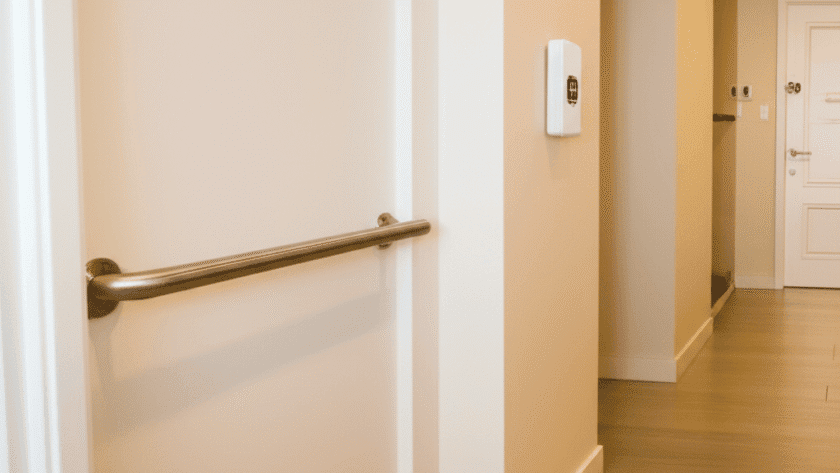
Bathrooms are a frequent site of falls. Add grab bars near the toilet and shower, fit a shower chair, and swap handheld shower heads to reduce movement while bathing. Replace glass shower doors with curtains when needed to prevent impact injuries.
Kitchen and appliance safety
Move frequently used items to waist level to avoid reaching or using step stools. Replace heavy pans with lighter weight alternatives. Set stove controls so knobs are visible and consider electronic shut off devices for residents with memory concerns.
Mobility and fall prevention strategies for apartment living
Flooring choices and layout adjustments make a major difference for seniors who have balance or strength limitations. Look for opportunities to reduce level changes and provide steady support where steps remain.
- Replace throw rugs with single level coverings or secure them with grippers
- Add contrasting tape to the edge of small steps to improve depth perception
- Install railings on both sides of stairs when possible
Flooring and threshold solutions
Uneven thresholds cause trips. Smooth transitions or low profile ramps remove barriers between rooms and at entry doors. Choose flooring with moderate traction to reduce slips while remaining easy to move a walker or wheelchair across.
Safe furniture and bedroom setup
Position beds at a comfortable height for sitting down and standing up. Place a lamp within reach and keep a clear route from bed to bathroom. A bedside commode can be a temporary aid after illness or surgery and reduces night time hazards.
Technology and monitoring options suited for seniors
Technology can offer practical monitoring and quick access to help without intruding on daily life. Devices range from simple alert buttons to systems that track door use and detect falls. Select options that respect privacy and that match the resident skill level.
- Wearable alert buttons that connect to a monitoring service or a family member
- Motion sensors that detect unusual inactivity in a room
- Smart lighting that turns on when movement is detected in a hallway
When choosing a system, test it for false alarms and battery life. Look for services that allow direct contact with known caregivers before external responders are called. For many residents a simple landline or cell phone with large buttons and speed dial settings is an effective baseline.
Daily routines and household changes that improve safety
Small behavioral shifts reduce exposure to risk on a daily basis. A short checklist used each evening can prevent many incidents while giving family and staff a predictable routine to follow.
- Keep pathways clear and return items to their places after use
- Use night lights between sleeping areas and bathrooms
- Set a regular schedule for medication and meals to reduce confusion
- Wear nonskid slippers or shoes inside the apartment
Examples of effective routines include a quick five minute tidy up before bed and a weekly check of battery operated devices. Encourage consistency by placing labels and reminders in visible spots. A laminated checklist on a fridge door makes the steps easy to follow.
Working with property managers and local services to keep seniors safe
Apartment managers are a key partner for resident safety. They can address building wide risks such as broken railings, poor outdoor lighting, and elevator maintenance. Bring a clear list of safety items when meeting with management and ask about timelines for repairs.
Local agencies often provide free or low cost services for senior residents. These can include home modification grants, transit services that offer rides to medical appointments, and volunteer programs that help with light maintenance tasks. Community social workers can connect residents with these resources and with programs that reduce fall risk.
For landlords and residents researching specific options and local guidelines consider visiting resources like Boston Apartments for curated safety checklists and tenant focused advice.
Insurance, emergency planning, and communication tips
Good planning reduces confusion during a crisis. Keep an up to date list of emergency contacts, medical information, and a map of the apartment visible near the phone. Check health insurance and renter coverage for items related to home modifications and emergency responses.
- Create an emergency kit with a flashlight, water, medications, and a spare phone charger
- Practice a simple evacuation plan that accounts for mobility limits
- Use a wall chart for medication schedules and physician contacts
Routine review of these items with family or a caregiver helps catch expired supplies and out of date contact information. Share copies of emergency plans with trusted neighbors so they can respond if something goes wrong.
Training and skill building for caregivers and residents
Training in safe transfer techniques and fall recovery can reduce injury during a slip or tumble. Local community centers and health clinics often offer short courses on these topics. For family members, learning how to help with walking aids and how to reposition a resident safely prevents secondary injuries.
Encourage residents to keep physically active within their ability. Balance and strength training exercises lead to measurable reductions in fall risk. Simple daily routines such as seated leg lifts and heel stands add strength without requiring a gym membership.
Apartment safety for elderly residents is a practical combination of environmental changes, routine habits, and clear communication. Small investments such as grab bars, night lights, and clear walking paths deliver strong returns in reduced injuries and improved confidence. Work with property managers, local service providers, and family members to build a living plan that matches individual needs and changes over time. Start by performing a room by room safety checklist today and follow up with simple fixes that can be completed within days. If you want help locating local resources and safety checklists tailored to multiunit buildings visit the linked resource above.
Taking action now yields immediate benefits for resident wellbeing and for building operations. Make a commitment to review one apartment per week if you are a manager or caregiver. If you are a family member check in with an elderly relative and make three small changes this month. Those steps reduce the likelihood of injury and support continued independence. Reach out to building staff and local services if repairs or policy changes are needed. A focused approach that pairs small home improvements with routine safety habits provides a strong foundation for longer term living arrangements. Start the process today with a short safety walk through and a simple checklist you can reuse each month.


